
Most people assume the hard part of settling an estate is the legal paperwork. The will. The probate. The tax filings.
Those things are complex. But for many families, the harder part is standing in front of a room full of things they cannot value, cannot easily sell, and are not sure what to do with, all while the clock on the estate keeps running.
Hobbyist collections, whether stamps, art, vehicles, coins, wine, firearms, vintage watches, or sports memorabilia, are some of the most emotionally significant and practically challenging assets an executor can inherit responsibility for. And they are almost always the least planned for.
This is not about whether a collection is worth a lot of money. Sometimes it is. Sometimes it is not. That uncertainty, and the cost of resolving it, is exactly the problem.
The Question No One Can Answer Without Help
When a family inherits a specialized collection, the first question is almost never how to sell it. It is whether it is worth anything at all.
That question sounds simple. It is not.
A professional appraisal for a specialized collection can cost anywhere from several hundred to several thousand dollars, depending on the size and complexity of what is there. And an appraisal will tell you what the collection is worth on the open market. It will not sell it for you.
So the executor faces a decision that nobody prepared them for: spend money the estate may not have, on an appraisal, for a collection whose value is completely unknown, before committing to a sale process that could take months or longer to complete.
That is a genuinely hard call. It gets harder when the estate has other costs bearing down on it, when beneficiaries are waiting, and when the executor is trying to close out an already overwhelming process.
Sometimes the right answer is to pursue a full appraisal and a specialized sale. Sometimes the right answer is to donate the collection and move on. Both are legitimate. The tragedy is when a family makes the wrong call in either direction because no one left them enough information to make an informed one.
Three Types of Collections That Create This Problem
Stamps and Philatelic Collections
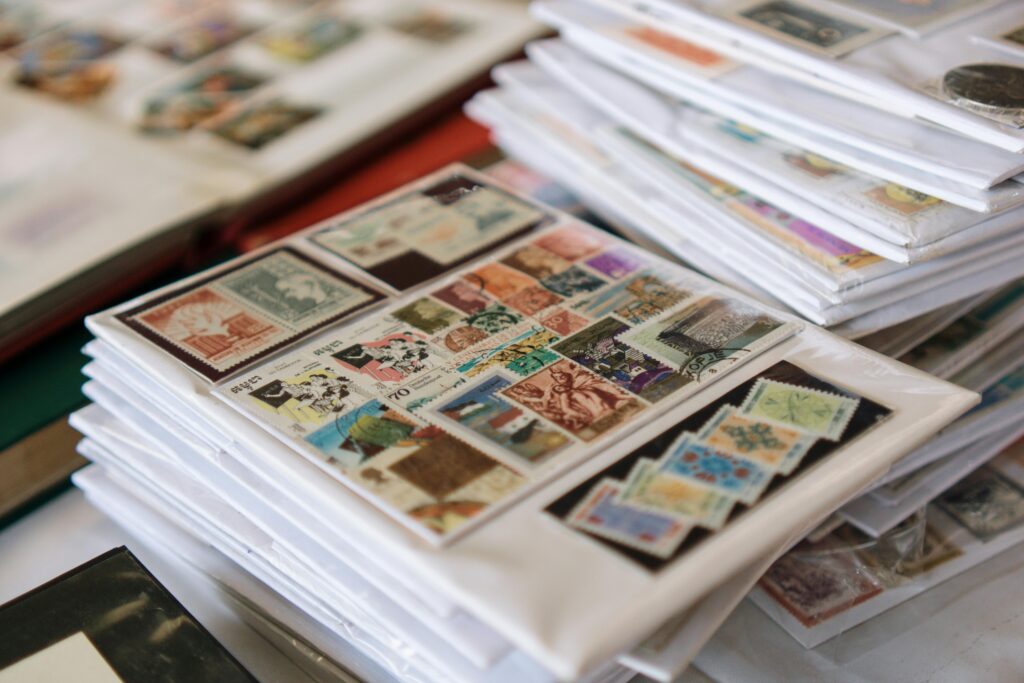
Stamp collections are deceptively complicated. A room full of binders can look impressive and be worth very little, or contain individual items worth hundreds of dollars hidden among tens of thousands of common issues.
You cannot know which without expertise. And that expertise is genuinely specialized. International stamps require buyers and appraisers who know specific countries and regions. A specialist in British Commonwealth issues is not the same person as a specialist in other areas of world philately. Common domestic stamps from the mid-twentieth century often sell for face value or less. Rare errors, early issues, or significant first-day covers can command serious prices, but only if you know what you have.
What makes this particularly difficult for executors is the full picture of what a proper sale actually involves. A large collection is physically heavy and cumbersome to transport. Philatelic auction houses that handle significant collections may only run relevant auctions a few times a year, meaning a sale process can stretch for nine months or more. Finding the right buyer for specialized material is a process, not a transaction. And the appraiser who can tell you what is valuable is often a separate person from the one who can sell it.
For some families, pursuing that process is absolutely worth it. For others, particularly when the collection is large, the estate is stretched thin, and there is no clear evidence of significant value, the more practical path is donating the collection to a philatelic society, a library, or a school. That is not a failure. It is an informed decision.
The only way a family can make that call well is if the collector left some record of what was valuable, where it was purchased, and their own sense of what the collection might be worth. Without that, the family is guessing, and guessing usually costs them something, whether money spent on an appraisal for a collection that turns out to be modest, or value lost by giving away something significant.
Art Collections
Art creates a different set of challenges but the same fundamental problem: value is hard to establish, the market is specialized, and the logistics of moving and selling work can be substantial.
For art with any meaningful value, an estate appraisal conducted by a qualified appraiser who meets IRS requirements is generally necessary for tax purposes. That appraiser needs to be a specialist in the relevant type of work, not a generalist. And for large-scale pieces, transportation requires specialized handlers and climate-controlled equipment, which adds cost and complexity before the sale process even begins.
There are options beyond selling that many families do not know about. Regional museums, university galleries, and cultural institutions are often interested in donations of significant work, and a donation structured correctly can have meaningful estate tax benefits. But those conversations take time to initiate, and institutions have limited storage and selective acceptance processes. A donation that could have been arranged thoughtfully during the collector’s lifetime becomes rushed and uncertain when it is left to the executor to negotiate under time pressure.
Pre-planning also opens up the possibility of a long-term loan arrangement, placing work with an institution while it remains part of the estate or passes to heirs, which can preserve the collector’s legacy in a way that a private sale cannot.
The families who navigate art estates well almost always share one thing: the collector had conversations with their family and their advisor about what they wanted to happen to the work. Not necessarily a fully executed plan, but enough direction that the executor was not starting from zero.
Vehicle Collections
Vehicles are unique among collections because they carry title, which means every car, truck, or recreational vehicle is a deeded asset that requires its own legal transfer process before it can be sold.
If a title is missing or was never transferred correctly, the process becomes significantly more complicated and expensive. In some states, a missing title on a vehicle that is part of a probate estate requires a court order to resolve. This is not an insurmountable problem, but it takes time and legal cost, and it is entirely avoidable with proper planning.
Beyond the legal mechanics, vehicles have specialized buyer markets. A classic car sold through a general used car dealer or a standard estate sale will not achieve the same price as one sold through a marque-specific club, a collector auction, or a specialty consignment service. The difference in realized value can be significant, and the collector is often the only person who knows where those markets are and who the right buyers might be.
Leaving the name of a trusted dealer, the contact for a relevant enthusiast club, or even a note about where similar vehicles have sold is a small effort that makes an enormous difference for whoever is managing the estate.
What Collectors Can Do Now
The goal is not to create a perfect plan. It is to give your executor enough information to make informed decisions, including the decision to simplify rather than maximize if that is what the circumstances call for.
- Create an inventory, however imperfect. A list of what you have, with photographs and any relevant notes about value, provenance, or purchase history, gives your executor a starting point. Note which items you believe are most significant. Update it when the collection changes meaningfully.
- Document your own estimate of value. You do not need a formal appraisal for planning purposes. But if you have a sense of what the collection is worth, even a rough range, write it down. That context helps an executor decide whether a formal appraisal is warranted or whether a simpler path makes more sense.
- Name the right experts. Who would you call if you needed to sell the collection today? A trusted dealer, an auction house you have worked with, a specialist in your area of collecting. Leave that information in your estate documents. Your executor should not have to find these people from scratch.
- Make your intentions clear. Do you want the collection sold, kept together, distributed among family members, or donated? Are there pieces with particular meaning for specific people? These decisions are yours to make while you are here. Once you are gone, your executor will make them without your context.
- Talk to your family. The most common source of conflict in estates with collections is the gap between what the collector intended and what the family understood. A short conversation about your wishes closes that gap before it becomes a dispute.
- Consider the estate’s cashflow. If your estate is likely to be tight on liquidity, make sure your executor knows which assets can be liquidated quickly and which require a longer process. A collection that takes eighteen months to sell properly may not be the right choice when the estate needs to close.
A Note on the Decision to Simplify
One of the most honest things I can say is this: sometimes the most loving thing a collector can do is make it easy for their family to let go.
A collection that is genuinely valuable deserves a proper process. But a collection whose value is uncertain, and where pursuing that process would cost the estate significant money, time, and executor capacity, may not. Donating a collection to a society, a library, a school, or an individual who will continue the passion can be the right call. And it is far easier for a family to make that call well when they have enough information to know it is the right one, rather than always wondering.
The goal of planning is not to maximize the sale price of every asset. It is to make sure the people you leave behind can make good decisions, including the decision that less is sometimes more.